News Center

News flash, stay updated on industry trends

Here you can have a deeper and more comprehensive understanding RAYMOND Sincerely invite you to visit and inspect the factory on site

Home / News center

Counterflow Rinsing Design for Lower Water Use and Chemical Drag-Out

2026-07-31
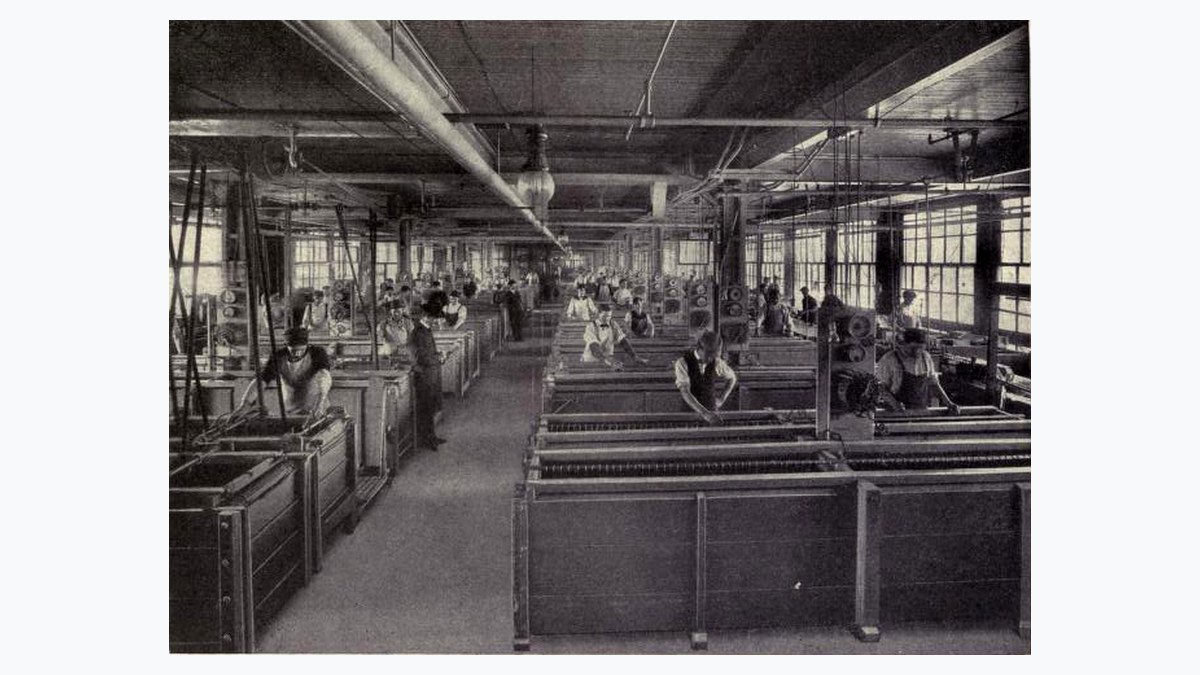
Counterflow Rinsing Design for Lower Water Use and Chemical Drag-Out

Rinsing is part of the process, not an afterthought

Every plated part carries a thin film of process solution into the next tank. If that drag-out is not controlled, it consumes chemicals, contaminates downstream baths and increases wastewater load. Counterflow rinsing sends the cleanest water to the final rinse and moves progressively more concentrated water toward the process tank, improving water use without simply reducing rinse quality.

Start by reducing drag-out

Longer drain time, suitable rack orientation, slower withdrawal and well-designed drip zones can return more solution to the original bath. Complex parts may trap liquid and require rotation, air knives or targeted spray rinses. Barrel lines have different carryover behavior from rack lines. The best rinse design begins with part geometry and production rhythm, not a generic number of tanks.

Control by contamination load

Fixed overflow can waste water when production is low and under-rinse parts when production rises. Conductivity or other process indicators can be used to adjust fresh-water flow, provided sensors are located and maintained correctly. Designers should define the acceptable contamination level at the final rinse, estimate drag-out and size each stage around the real load.

Connect rinsing to recovery and treatment

Concentrated first-rinse water may be suitable for return, evaporation or separate recovery, depending on chemistry and quality requirements. Segregating streams can also make wastewater treatment more stable. During line design, review rinse sequence, tank volume, transfer time, ventilation, drainage and control logic together. A water balance is a useful acceptance document before commissioning.

Related news

31/07/2026
Factory Acceptance Test Checklist for a Custom Automatic Electroplating Line
31/07/2026
Plating Line Ventilation and Fume Extraction for Stable Operation
31/07/2026
Electroplating Rectifier Selection: Current Control, Ripple and Process Stability
31/07/2026
Counterflow Rinsing Design for Lower Water Use and Chemical Drag-Out
26/06/2026
Hard Chrome Plating for Wear Resistance: Extending Service Life in Industrial Equipment
26/06/2026
Nickel-Chrome Plating Systems: Combining Corrosion and Aesthetic Performance
26/06/2026
Copper Plating for Industrial Applications: Conductivity, Adhesion, and Cost Efficiency
26/06/2026
Chrome Plating Technology: A Complete Guide to Bright and Durable Finishes
27/05/2026
Electroplating Wastewater Treatment: Sustainable Solutions for Heavy Metal Recovery
27/05/2026
Zinc Plating Technology: Cost-Effective Corrosion Protection for Steel
27/05/2026
Electroless Nickel Plating: Uniform Coverage for Complex Geometries
27/05/2026
Gold Plating Technology: Precision and Luxury in Surface Finishing
28/04/2026
How to Achieve a Perfect Mirror Finish with Chrome Plating
28/04/2026
Why Choose Raymond as Your Global Plating Automation Partner?
28/04/2026
The Role of Anodizing in Modern Electronics and Architecture
28/04/2026
A Troubleshooting Guide for Your Continuous Plating Line
28/03/2026
The Role of Anodizing in Modern Electronics and Architecture
28/03/2026
Why Choose Raymond as Your Global Plating Automation Partner?
28/03/2026
How to Achieve a Perfect Mirror Finish with Chrome Plating
28/03/2026
The Rise of Plastic Plating: From Automotive to Electronics
06/02/2026
Understanding Electrophoresis (E-coating) Production Lines
06/02/2026
Nickel Plating for the Hydrogen Energy Industry: A Critical Application
06/02/2026
The Importance of a Pickling and Phosphating Line Before Painting
06/02/2026
Solving Common Defects in the Zinc Plating Process
27/01/2026
Hanging Plating vs. Barrel Plating: Which Is Right for Your Parts?
27/12/2025
Blackening Process for Metal Parts: Improving Aesthetics and Corrosion Resistance
27/12/2025
Aluminum Anodizing Process: Enhancing Durability and Corrosion Resistance
27/12/2025
The Critical Role of Tin Plating in PCB Manufacturing and Electronics Assembly
27/12/2025
Silver Plating Technology: Applications and Advantages in Modern Electronics
19/08/2025
Additives in Electroplating Solutions: Functions, Classifications, and Applications—Raymond Helps You Optimize Electroplating Processes
19/08/2025
What is Electroplating? How Does It Work? Raymond Unveils the Secrets
19/08/2025
6 Key Steps to a Successful Nickel Plating Process: Raymond Helps You Achieve Excellence
19/08/2025
Is Chrome Plating Equipment Still Indispensable in Modern Manufacturing? Raymond Provides In-Depth Analysis
28/03/2025
Automated plating equipment to improve efficiency and cost control
28/03/2025
Semiconductor plating process precision needs and technology upgrades
28/03/2025
Technical breakthroughs in chrome plating process and equipment selection guide
28/03/2025
Hot dip galvanising equipment technology full explanation: from principle to selection guide
28/03/2025
The key technology and development trend of industrial plating equipment
01/03/2025
Core Technologies of Copper Plating Lines: Achieving Uniform Coatings & High Efficiency
01/03/2025
Copper plating lines for automotive parts: solutions for corrosion resistance and electrical conductivity
01/03/2025
The efficiency revolution: how automated logistics can reduce labour costs
01/03/2025
Eco-Friendly Copper Plating: Zero Heavy Metal Discharge & Water Recycling
01/03/2025
Copper Plating Quality Control: From Thickness Testing to Adhesion Checks
10/02/2025
Reasons for choosing fully automatic roll plating equipment
09/07/2024
Maintenance of electroplating production line
31/01/2021
Function of Acid Cleaning in Technological Process of Electroplating Equipment

Messsage

If you are interested in our products, you can leave a message below and we will reply to you promptly.
Click to change the verification code
Get quote
Get quote