Plating Line Ventilation and Fume Extraction for Stable Operation
2026-07-31
Capture contaminants at the source
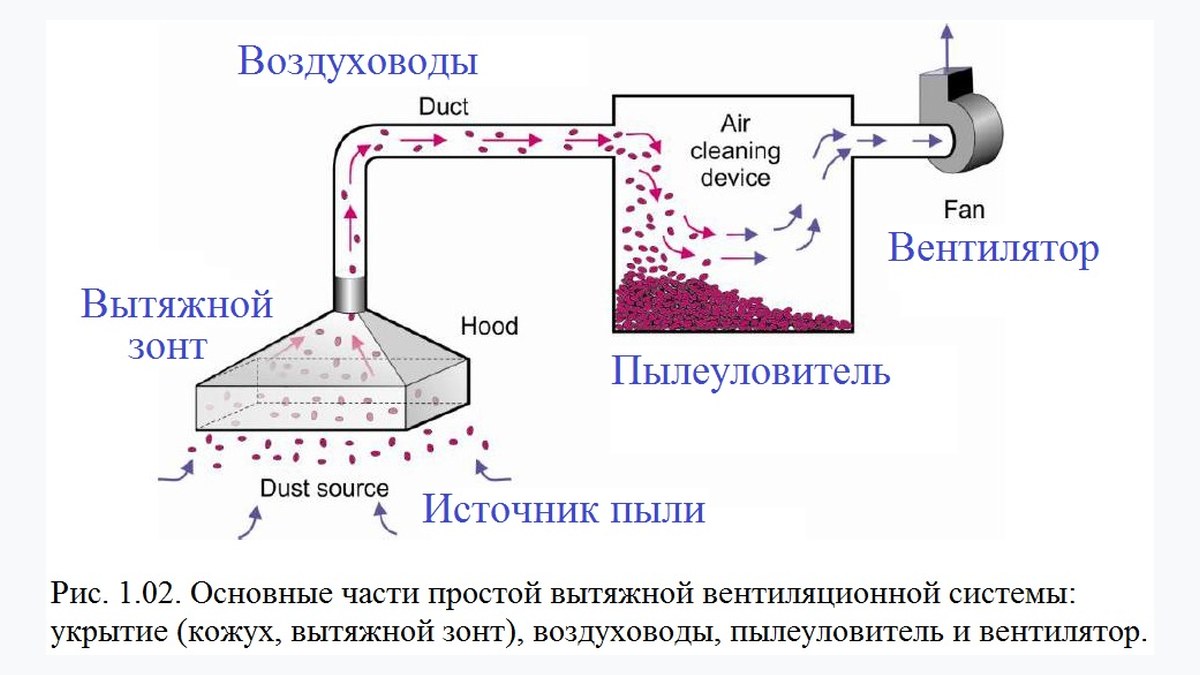
Open process tanks can release mist, vapor or gas depending on chemistry, temperature, agitation and current. Local exhaust should capture contaminants before they spread through the workshop. Lip exhaust, push-pull systems and enclosed covers each have advantages. The correct choice depends on tank width, freeboard, access, crane movement and the emission behavior of the process.
Airflow must survive real production
A design value on paper is not enough if doors open, cross-drafts disrupt capture or operators remove covers. Duct resistance changes across branches and deposits can narrow passages. Dampers, inspection points and balancing procedures should be included. Make-up air must replace extracted volume without creating strong drafts across tank surfaces or pulling conditioned air unnecessarily from the building.
Coordinate materials and treatment
Ducts, fans and hoods need materials compatible with the captured chemistry and temperature. Mixed exhaust streams can create corrosion, precipitation or unsafe reactions, so segregation may be necessary. Scrubber type, reagent control, pressure drop and wastewater connection should be selected as one system. Fan placement and drainage details also affect reliability.
Commission with measurements
Before handover, verify airflow or capture performance at representative operating conditions, not only with idle tanks. Confirm damper positions, fan alarms, scrubber interlocks and emergency response. Provide access for inspection and cleaning. A ventilation system that is measurable and maintainable is more likely to protect workers, equipment and process stability throughout the line’s service life.